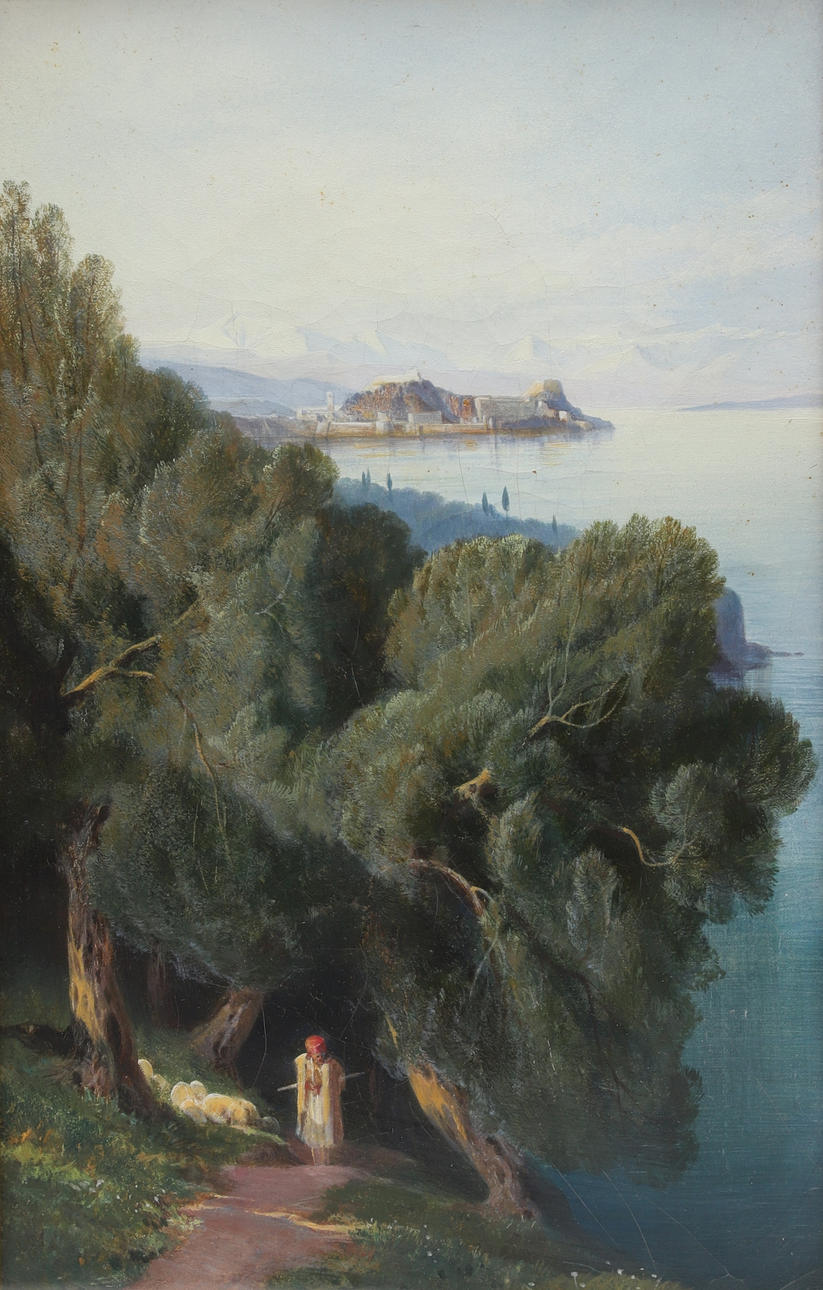
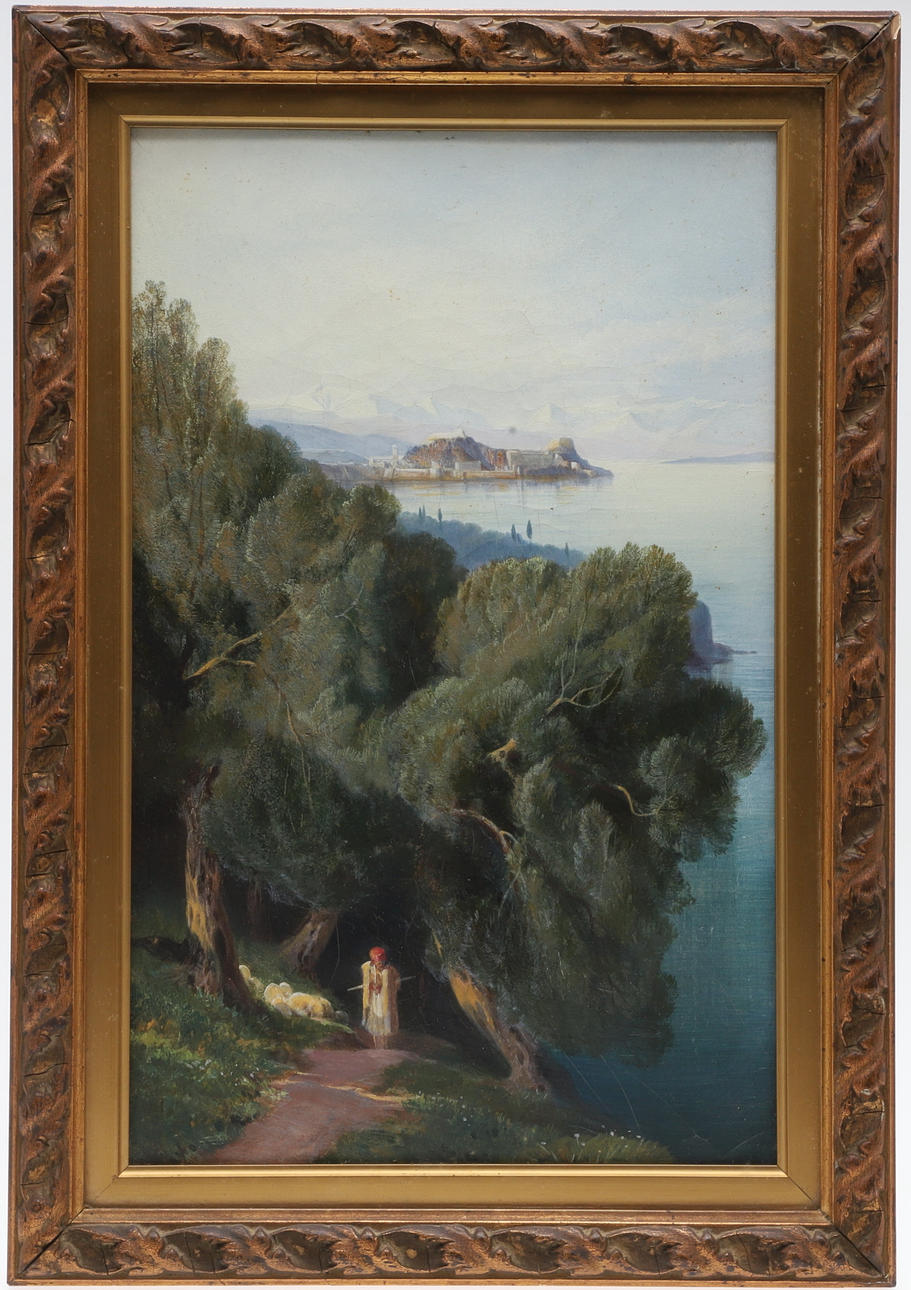
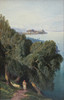
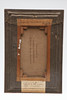
368. EDWARD LEAR (1812-1888). CORFU FROM THE VILLAGE OF ASCENSION.
This auction is closed, but maybe you like the following items?
368. 3577432. EDWARD LEAR (1812-1888). CORFU FROM THE VILLAGE OF ASCENSION.
Images
368. 3577432. EDWARD LEAR (1812-1888). CORFU FROM THE VILLAGE OF ASCENSION.
Description
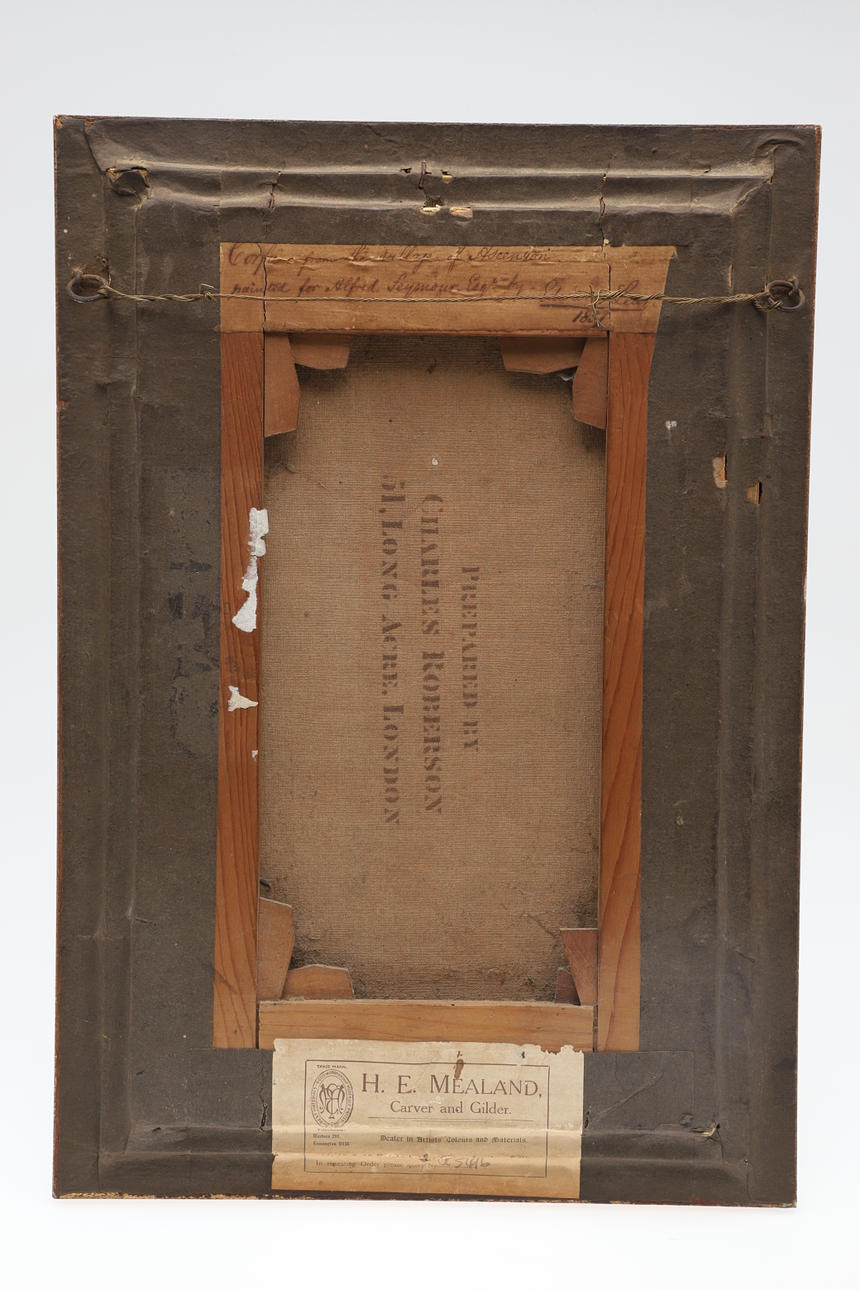
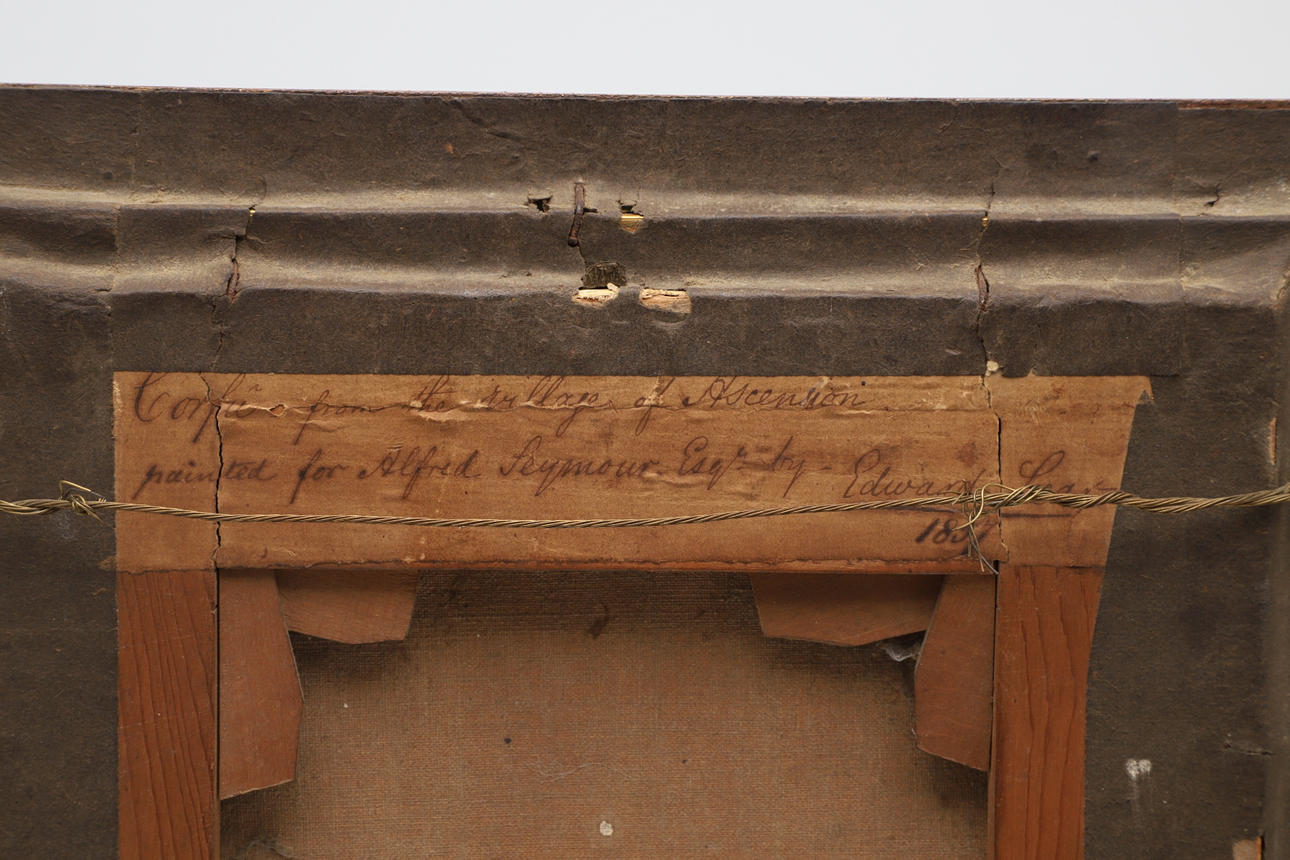
Signed and inscribed on a paper strip on the stretcher: `Corfu from the village of Ascension/ painted for Alfred Seymour Esqr by - Edward Lear/ 1857`, oil on canvas
Sight 37 x 23cm.; canvas size 38.5 x 24.5cm.
Provenance: Alfred Seymour, MP, JP (1824-1888) of Knoyle House, Wiltshire; and later of Trent, Dorset
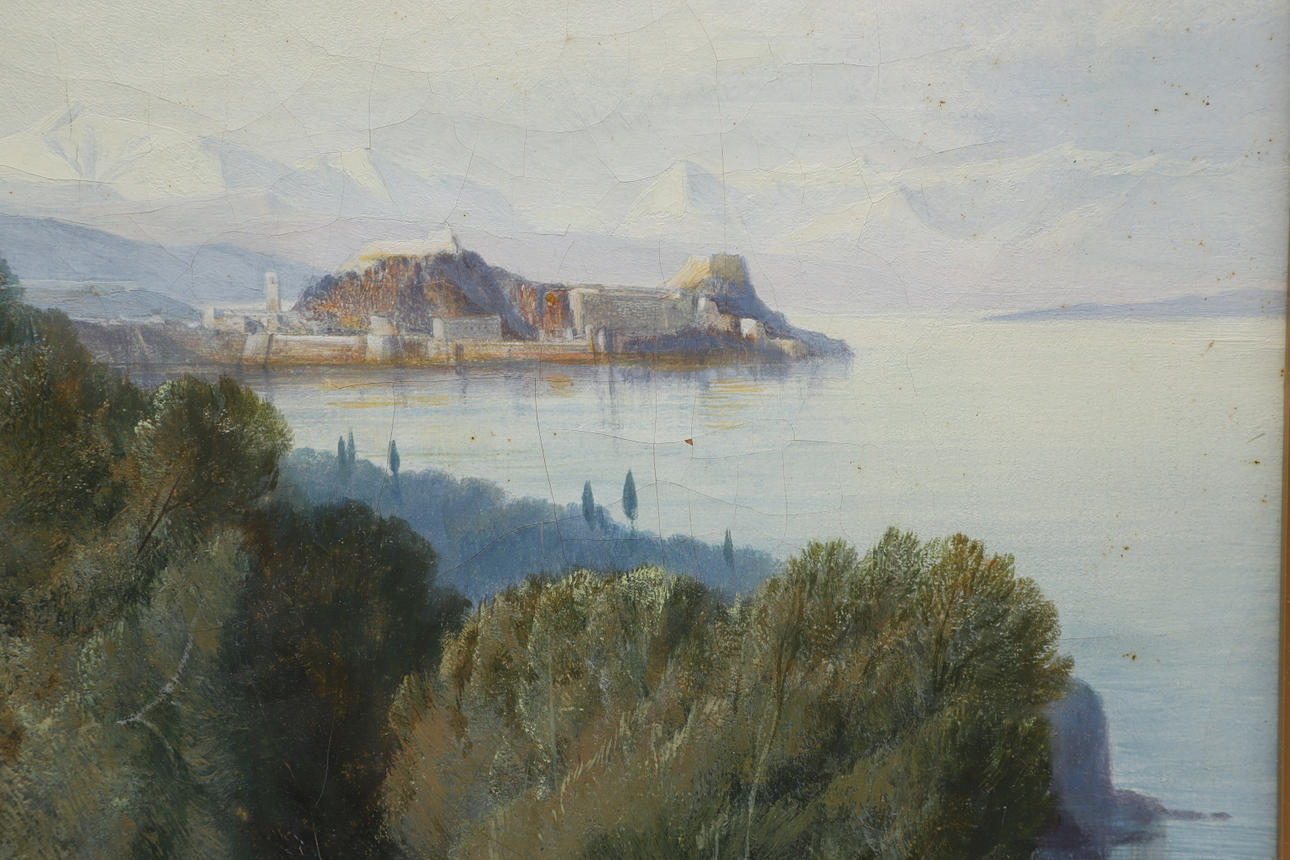
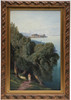
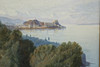
* Lear travelled to Corfu in December 1855 in order to join his `most intimate friend` and judge, Franklin Lushington. He stayed until 1863 and then returned in 1877. Having been swiftly enchanted by Corfu (`it really is a paradise..` he raved to his sister Ann), Lear found much to adore on the island. Early in the Summer of 1856, Lear determined this theme from above the village of Ascension (now Analipsi), looking across to the Citadel of Corfu and the distant but clearly defined mountains of Albania. He later wrote to Ann that 'The whole island is in undulations from the plain where the city is, to the higher hills on the west side; & all the space is covered with one immense grove of olive trees - so that you see over a carpet of wood wherever you look; & the higher you go, the more you see, & always the Citadel & the Lake, & then the Straights, with the great Albanian mountains beyond.'
Lear delighted in the pleasing blend of trees, the coastal landscape and the distant snow-capped mountains and he adored the rampant wildness of the olive groves. In June 1856 Lear wrote delightedly to Ann that he intended to devote ‘a good bit of time to illustrating this little promontory for it is… full of interest, as the old city of Ascension (Coreyra) was built on it, ancient coins and marbles are still being found.’ The subject is at once scrupulously realistic and yet imbued with a sense of poetic wonder: Lear was quickly enraptured by splendid panoramas such as this.
Lear worked with an exacting and accomplished technique in thinned oil, with no detail proving to be too trivial to be deserving of his meticulous brushwork. The Pre-Raphaelite intensity of his vision was derived in part from his companionable acquaintance with William Holman Hunt from 1852, the two joined on occasions by Rossetti and Millais too. Having worked on substantially larger canvases en plein air, it is possible that Lear developed subjects as ambitious as this on the spot.
Condition
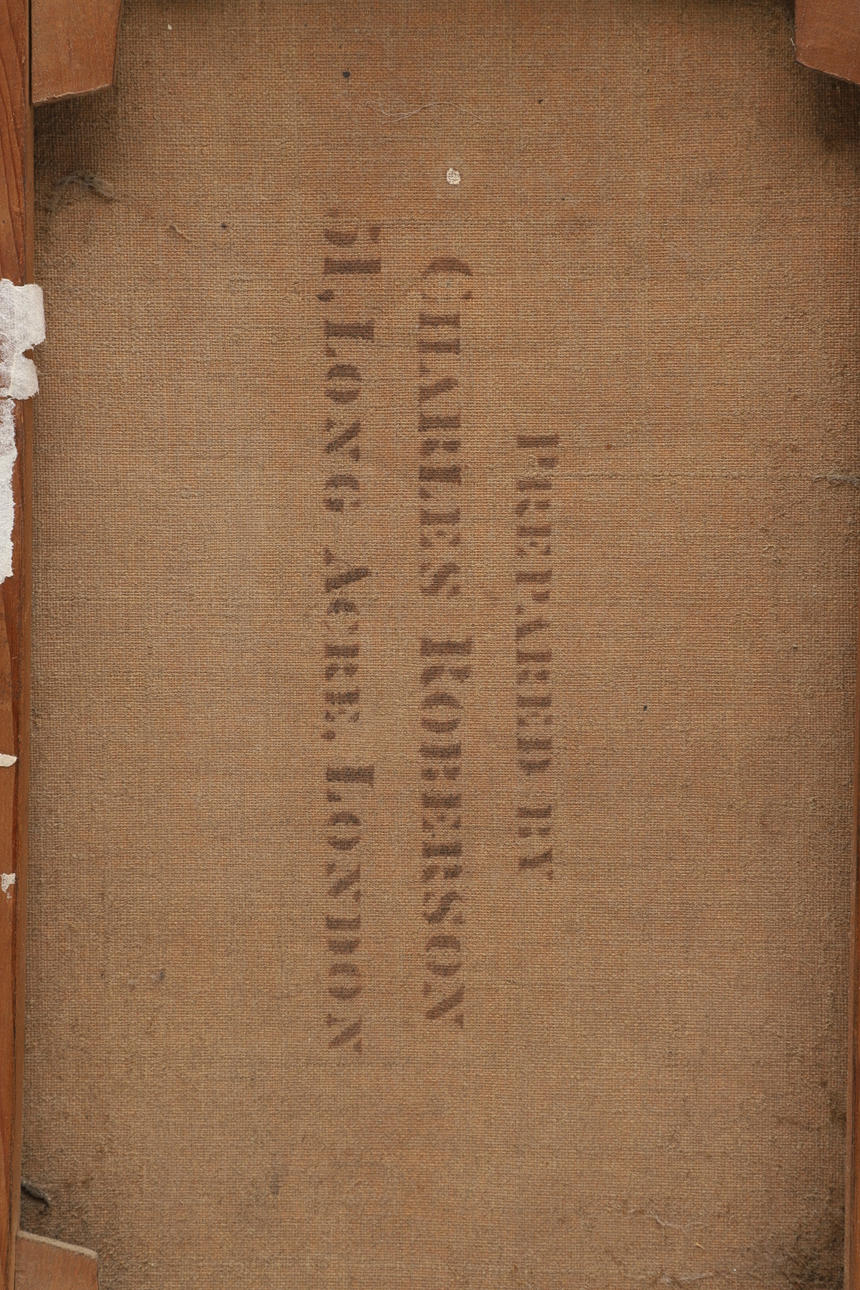
On Charles Roberson (Long Acre, London) canvas; unlined; some cracking (the paint not lifting or flaking)
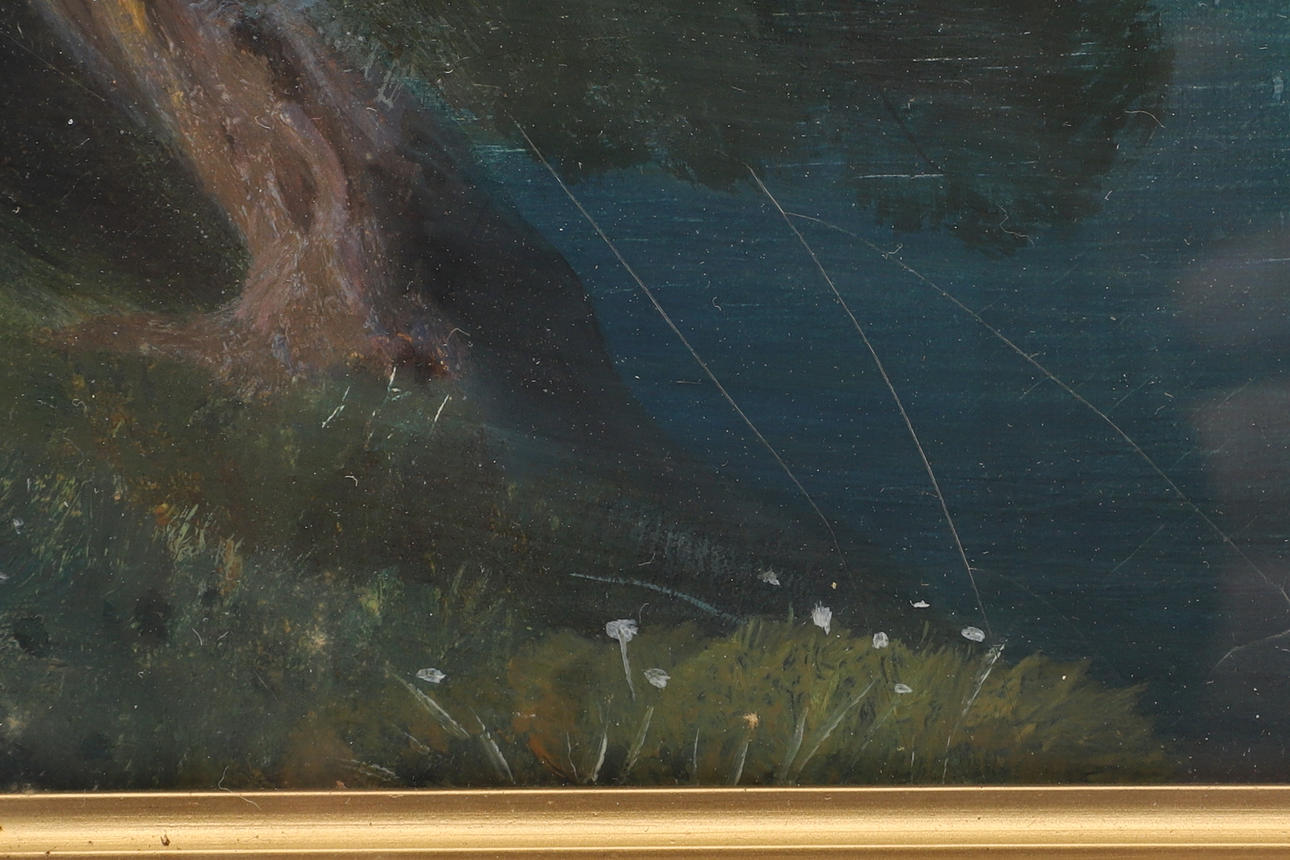
Under UV light, there is some dark fluorescence on the trunk of the tree on the extreme left and at its base, also in the longer dark branches of foliage to the right of centre. There is evidence of some slight and scattered retouchings elsewhere. None is distracting to the naked eye and none seems to address any faults or damages.
368. 3577432. EDWARD LEAR (1812-1888). CORFU FROM THE VILLAGE OF ASCENSION.
Description
Signed and inscribed on a paper strip on the stretcher: `Corfu from the village of Ascension/ painted for Alfred Seymour Esqr by - Edward Lear/ 1857`, oil on canvas
Sight 37 x 23cm.; canvas size 38.5 x 24.5cm.
Provenance: Alfred Seymour, MP, JP (1824-1888) of Knoyle House, Wiltshire; and later of Trent, Dorset
* Lear travelled to Corfu in December 1855 in order to join his `most intimate friend` and judge, Franklin Lushington. He stayed until 1863 and then returned in 1877. Having been swiftly enchanted by Corfu (`it really is a paradise..` he raved to his sister Ann), Lear found much to adore on the island. Early in the Summer of 1856, Lear determined this theme from above the village of Ascension (now Analipsi), looking across to the Citadel of Corfu and the distant but clearly defined mountains of Albania. He later wrote to Ann that 'The whole island is in undulations from the plain where the city is, to the higher hills on the west side; & all the space is covered with one immense grove of olive trees - so that you see over a carpet of wood wherever you look; & the higher you go, the more you see, & always the Citadel & the Lake, & then the Straights, with the great Albanian mountains beyond.'
Lear delighted in the pleasing blend of trees, the coastal landscape and the distant snow-capped mountains and he adored the rampant wildness of the olive groves. In June 1856 Lear wrote delightedly to Ann that he intended to devote ‘a good bit of time to illustrating this little promontory for it is… full of interest, as the old city of Ascension (Coreyra) was built on it, ancient coins and marbles are still being found.’ The subject is at once scrupulously realistic and yet imbued with a sense of poetic wonder: Lear was quickly enraptured by splendid panoramas such as this.
Lear worked with an exacting and accomplished technique in thinned oil, with no detail proving to be too trivial to be deserving of his meticulous brushwork. The Pre-Raphaelite intensity of his vision was derived in part from his companionable acquaintance with William Holman Hunt from 1852, the two joined on occasions by Rossetti and Millais too. Having worked on substantially larger canvases en plein air, it is possible that Lear developed subjects as ambitious as this on the spot.
Condition
On Charles Roberson (Long Acre, London) canvas; unlined; some cracking (the paint not lifting or flaking)
Under UV light, there is some dark fluorescence on the trunk of the tree on the extreme left and at its base, also in the longer dark branches of foliage to the right of centre. There is evidence of some slight and scattered retouchings elsewhere. None is distracting to the naked eye and none seems to address any faults or damages.